Are you ever unsure whether to use bmrs or ms when addressing a woman? You are not alone—many people struggle with this small but important detail.
The confusion comes from marital status and professional etiquette. Some think bmrs is always for married women, while ms works for everyone.
This blog will clear it all up. You will learn the difference, proper usage, and avoid common mistakes every time.
By the end, you’ll confidently choose bmrs or ms in emails, letters, and formal writing. It’s simple, clear, and reader-friendly.
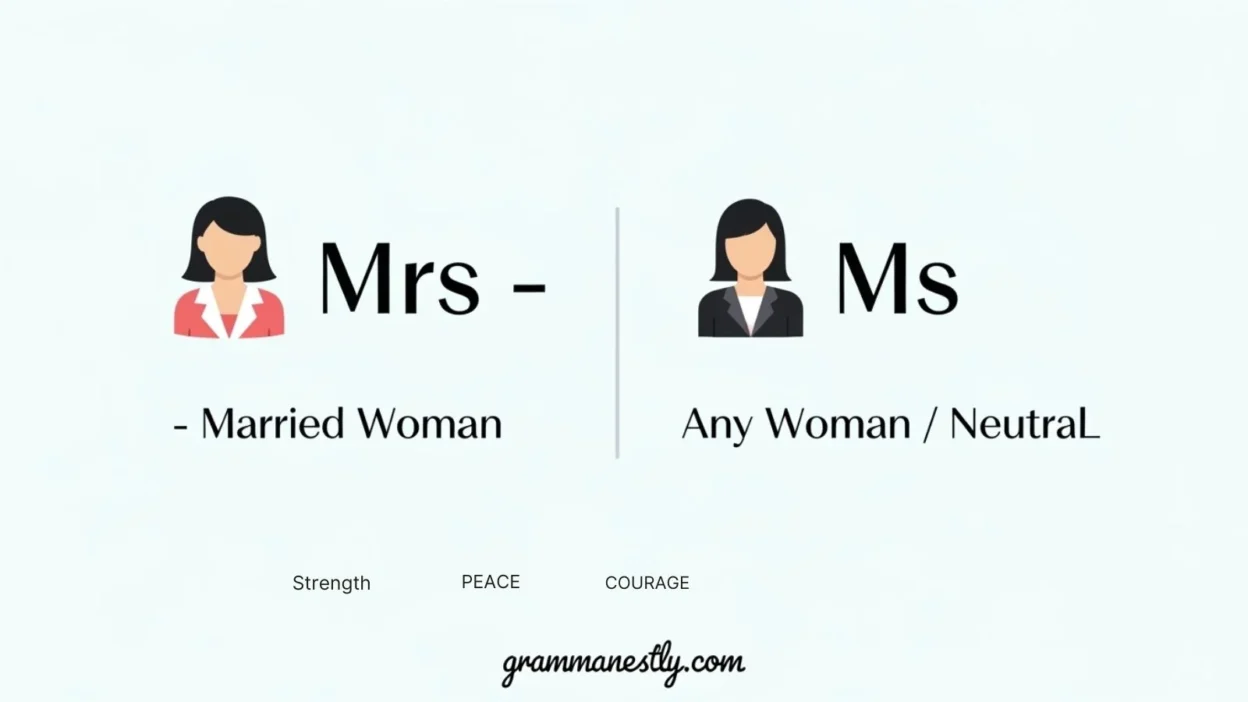
Mrs or Ms – Quick Answer
- Mrs → Refers to a married woman. Example: Mrs. Jane Smith
- Ms → A neutral title for any adult woman. Example: Ms. Jane Smith
Use Ms if you’re unsure of marital status or prefer a modern, professional approach.
The Origin of Mrs or Ms
Mrs comes from “Mistress”, historically used to refer to a woman of authority or the head of a household. Over time, it became linked with marital status.
Ms emerged in the 20th century as a neutral alternative, especially for women in professional environments. It gained popularity during the 1970s with the feminist movement, emphasizing that a woman’s marital status should not define her title.
British English vs American English Spelling
Both Mrs and Ms are used in the US and UK, but punctuation rules differ.
| Title | British English | American English | Example |
|---|---|---|---|
| Mrs | Mrs Smith | Mrs. Smith | Formal letter |
| Ms | Ms Smith | Ms. Smith | Email greeting |
Key Difference: Americans usually add a period after Mrs or Ms, while British English often omits it.
Which Spelling Should You Use?
- US: Use Ms. for neutrality and Mrs. for confirmed married women.
- UK/Commonwealth: Both Mrs and Ms are acceptable; punctuation differs.
- Global/Professional: Prefer Ms if marital status is unknown to avoid assumptions.
Common Mistakes with Mrs or Ms
- Using Mrs for an unmarried woman → incorrect.
- Mixing Ms and Miss interchangeably → Ms is neutral; Miss is for unmarried women.
- Incorrect punctuation depending on British or American style.
Mrs or Ms in Everyday Examples
- Emails: Dear Ms. Johnson, → professional neutrality
- News Articles: Ms Angela Merkel attended the summit.
- Social Media: Ms Smith shared her new blog post.
- Formal Writing: Mrs. Brown was elected chairperson.
Mrs or Ms – Google Trends & Usage Data
According to search trends, Ms has grown globally since the 1970s, especially in professional contexts.
- US & UK: High search volume for clarification.
- Global: Ms preferred for gender-neutral titles.
| Title | Popularity | Context |
|---|---|---|
| Mrs | Moderate | Traditional/formal |
| Ms | High | Professional/social neutrality |
FAQs
1. Can I use Ms for a married woman?
Yes, Ms is neutral and works for any adult woman, married or unmarried.
2. Is Mrs only for married women?
Yes, traditionally Mrs indicates a married woman.
3. Should I put a period after Ms?
- US: Yes, Ms.
- UK: Optional, Ms
4. Is it rude to use Mrs instead of Ms?
It can be if the woman is unmarried or prefers Ms, so use neutral Ms when unsure.
5. Can Ms be used in legal documents?
Yes, it is widely accepted in professional and legal contexts.
6. What about Miss?
Miss is used only for unmarried women, mainly younger females.
7. How do I address an envelope correctly?
Ms. Jane Doe (neutral) or Mrs. Jane Doe (if married and known).
Conclusion
Choosing between Mrs and Ms doesn’t need to be confusing. Mrs traditionally signifies a married woman, while Ms provides a neutral, professional alternative suitable for any adult woman.
Consider your audience, cultural norms, and whether marital status is known. When in doubt, using Ms ensures respect and modern etiquette.
Understanding British and American punctuation conventions further helps in formal correspondence.
With these guidelines, you can confidently address women in emails, letters, news articles, and professional contexts, avoiding common mistakes while maintaining politeness and clarity.

I’m Emma Collins, a grammar expert and author at Grammarnestly.com. I love helping readers master English with simple, practical grammar guides.
When I’m not writing, I enjoy reading, coffee, and exploring the beauty of language.